
Right, let's cut through the bollocks. You've probably burned through hundreds (or thousands) on Google AdWords services that promised the world and delivered sweet FA. Your ads are live, traffic's trickling in, but your bank account's haemorrhaging faster than a punctured radiator.
Here's the brutal truth: 90% of Google AdWords campaigns are pissing money up the wall because business owners treat PPC like a lucky dip instead of a performance-focused machine.
Time to fix that.
What Google AdWords Actually Is (And Why Most People Get It Wrong)
Google Ads: formerly AdWords: isn't just "paying Google for clicks." It's an auction system where you bid on search terms, and Google decides who gets prime real estate based on two crucial factors: your bid amount and your Quality Score.
Think of it like this: Google's running a nightclub. You can wave money around all you like, but if you're not dressed right (poor Quality Score), you're not getting past the bouncer. Meanwhile, someone who looks the part (high relevance) gets VIP treatment for less cash.
Your Quality Score depends on:
- How relevant your ad copy is to the search term
- Your landing page experience
- Your click-through rate (CTR)
- Historical account performance
This is where most google adwords services providers cock it up. They focus on spending your budget rather than earning Google's trust.

The 4 Performance-Focused Strategies That Actually Move the Needle
1. Structure Your Campaigns Like a Swiss Watch
Forget throwing everything into one campaign and hoping for the best. Performance-focused PPC means surgical precision:
Separate campaigns for different intent levels:
- Brand campaigns (people searching for your company name)
- High-intent commercial keywords ("best accountant near me")
- Informational keywords ("how to file VAT returns")
- Competitor campaigns (targeting rival brand names)
Each campaign needs different messaging, budgets, and conversion tracking. Lumping them together is like using the same chat-up line on everyone: occasionally it works, but usually, it's a disaster.
Ad group structure that makes sense:
Keep 5-15 tightly related keywords per ad group. If you can't write one ad that speaks directly to every keyword in the group, split it up. Your messaging needs to feel like a direct response to what people actually typed.
2. Write Ads That Actually Answer the Search
Your ad copy isn't creative writing: it's direct response marketing. Every word needs to earn its place.
Headlines that mirror search intent:
If someone searches "emergency plumber london," your headline better include "emergency plumber" not "trusted plumbing solutions." Google's looking for exact matches between search terms and ad copy.
Use your target keywords in headlines and descriptions:
This isn't just for Google's algorithm (though it helps your Quality Score). It's psychological proof that you're exactly what the searcher wants.
Include your unique selling proposition:
24/7 service? 20 years' experience? Free estimates? Don't bury your competitive advantage in generic fluff about "professional service."
3. Master Conversion Tracking (Because Clicks Mean Nothing)
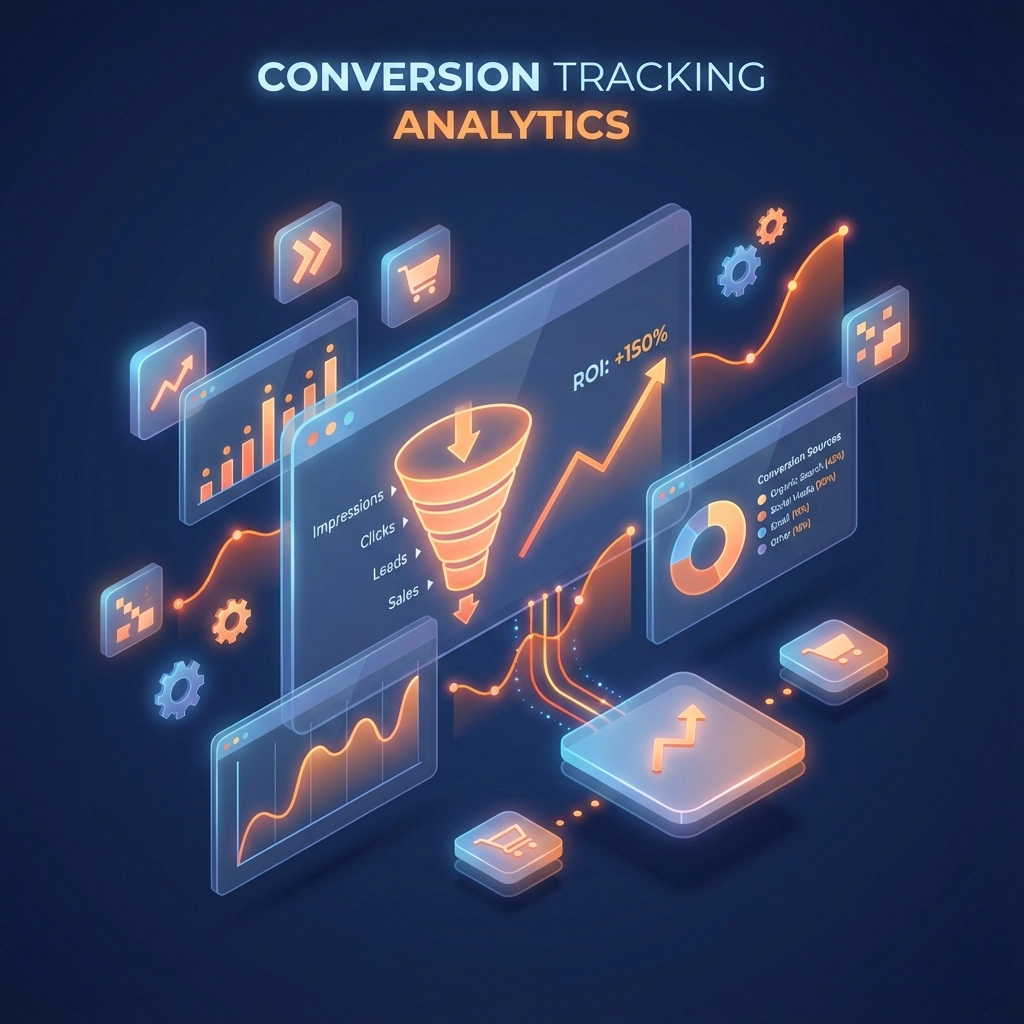
Here's where most google adwords services completely lose the plot. They obsess over click-through rates and cost-per-click while ignoring the only metric that matters: return on ad spend (ROAS).
Set up proper conversion tracking:
- Install Google Analytics 4 and link it to your Google Ads account
- Track phone calls, form submissions, online purchases, and email sign-ups
- Set conversion values so you know which keywords actually drive revenue
Use conversion data to optimise bids:
Once you have 30 days of conversion data, start bidding based on profitability, not vanity metrics. A keyword with a £5 CPC that converts at 10% and generates £100 average order value beats a £1 CPC keyword that never converts.
Import offline conversions:
If your business involves phone sales or in-person visits, upload that data back to Google Ads. Otherwise, you're optimising for leads that look good on paper but never buy anything.
4. Landing Pages That Convert (Not Just Look Pretty)
Your ad's job is to get the click. Your landing page's job is to get the conversion. Most businesses nail the first part and completely botch the second.
Message match is everything:
If your ad promises "same-day installation," your landing page headline better say "same-day installation," not "welcome to our services page."
Remove friction like it's toxic:
- Forms with more than 5 fields kill conversions
- Page load speeds over 3 seconds lose half your traffic
- Multiple navigation options distract from your main goal
Test everything:
Run A/B tests on headlines, form lengths, button colours, and page layouts. Small changes can double conversion rates.
The PPC Tips That Separate Winners From Losers
Negative keywords are your secret weapon:
Add search terms that triggered your ads but didn't convert. If you sell premium software and "free" keeps appearing in your search terms report, add it as a negative keyword immediately.
Dayparting saves money:
Analyse when your conversions happen and adjust your bid schedule accordingly. If you're a B2B service getting zero conversions after 6 PM, why bid at full strength during evenings?
Device targeting matters:
Mobile users behave differently than desktop users. If your mobile conversion rate is half your desktop rate, adjust your mobile bid modifier to -50%.
Location exclusions prevent waste:
Review your geographic performance monthly. If certain postcodes or regions consistently underperform, exclude them and focus budget where it converts.
Common Conversion Tracking Mistakes That Kill Business Growth
Tracking clicks instead of business outcomes:
Your goal isn't website visits: it's phone calls, sales appointments, or online purchases. Configure conversion actions that align with actual business results.
Setting up conversion tracking wrong:
Use the Google Tag Assistant Chrome extension to verify your conversion tracking is firing correctly. Broken tracking means you're flying blind while spending money.
Ignoring attribution windows:
B2B buyers might research for weeks before converting. Extend your conversion window to 90 days so you don't undervalue keywords that start the buyer journey.

Advanced Performance-Focused Tactics for 2025
Audience targeting with search intent:
Combine your customer lists with search campaigns. Bid higher when previous customers or website visitors search for your services: they're more likely to convert.
Automated bidding strategies:
Once you have sufficient conversion data (50+ conversions per month), test Target CPA or Target ROAS automated bidding. Google's machine learning often outperforms manual bidding.
Responsive search ads:
Upload 15 headlines and 4 descriptions, then let Google test combinations automatically. The winning combinations often surprise even experienced PPC managers.
What Actually Drives Business Growth Through PPC
Performance-focused google adwords services aren't about getting more clicks: they're about generating more profit per pound spent.
Start with one campaign type that aligns with your primary business goal. If you need leads immediately, focus on high-intent commercial keywords. If you're building brand awareness, start with informational searches in your industry.
Set up conversion tracking properly from day one. You can't optimise what you can't measure.
Test constantly but change one variable at a time. Running multiple tests simultaneously makes it impossible to identify what's actually working.
Most importantly, give campaigns time to gather data before making dramatic changes. Google's algorithm needs 2-4 weeks to optimise performance, especially with automated bidding strategies.

Your Next Steps
Stop treating Google Ads like a gambling machine and start treating it like a business investment. Focus on conversion tracking, message-match between ads and landing pages, and bidding based on profitability rather than vanity metrics.
The businesses winning with PPC in 2025 aren't necessarily spending more money: they're spending smarter money on campaigns that actually drive business growth.
If you're ready to build performance-focused campaigns that generate real ROI rather than just clicks and impressions, the strategies above will get you there. The question isn't whether Google Ads works: it's whether you're running them properly.
Time to find out.


