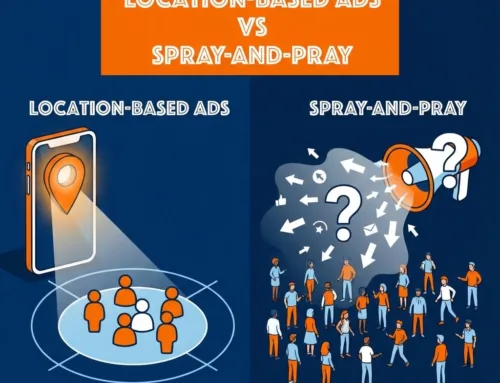
Right, let's settle this once and for all. Every few months, someone declares that Google AdWords services are dead. Usually, it's after they've blown their budget on poorly targeted campaigns or watched their click-through rates tank harder than a lead balloon.
Here's the brutal truth: Google AdWords isn't dead. It's evolved into something far more powerful and terrifying than most business owners realise. What we're calling "Google AdWords" today (officially Google Ads since 2018) has undergone the most dramatic transformation in its 25-year history. And if you're still running campaigns like it's 2023, you're essentially bringing a knife to a gunfight.
The real question isn't whether AdWords is dead. It's whether your approach to location-based ads has kept pace with the AI revolution that's completely rewritten the rules in 2025.
The 2025 AI Takeover: What Actually Happened
2025 wasn't just another year of incremental updates. Google launched over 60 AI-powered improvements across all campaign types, fundamentally shifting the platform from "set it and forget it" to "AI does the heavy lifting while you focus on strategy."
AI Max for Search became Google's fastest-growing Search ads product. Campaigns using AI Max with Smart Bidding Exploration achieved an 18% increase in unique search query categories generating conversions and a 19% boost in overall conversions. That's not marginal improvement – that's game-changing performance.

But here's where it gets interesting for location-based advertising. While Google's official updates focused heavily on broad AI improvements, the real revolution happened in how these tools began understanding and predicting local intent with frightening accuracy.
Performance Max: The Location-Based Game Changer
Performance Max campaigns received the most significant overhaul, and this is where location-based advertising started looking like something from the future. The platform now includes:
- Campaign-level negative keywords (up to 10,000)
- Dramatically improved demographic and device targeting
- Enhanced new customer acquisition reporting
- Real-time location signal processing
What does this mean for your Birmingham business or any UK company targeting local customers? Your ads now understand not just where someone is, but where they're likely to go, what they're likely to need, and when they're most likely to convert.
Think about it: AI can now predict that someone searching for "emergency plumber" at 11 PM on a Sunday in Edgbaston is probably willing to pay premium rates and needs immediate service. Your bid strategy adjusts accordingly, your ad copy emphasises urgency, and your landing page highlights emergency availability.
Demand Gen: The Discovery Campaign Killer
Demand Gen campaigns replaced Discovery campaigns entirely, expanding inventory across YouTube, Discover, Gmail, and the Google Display Network. The results? A 26% increase in conversions per dollar through 60+ AI optimizations.
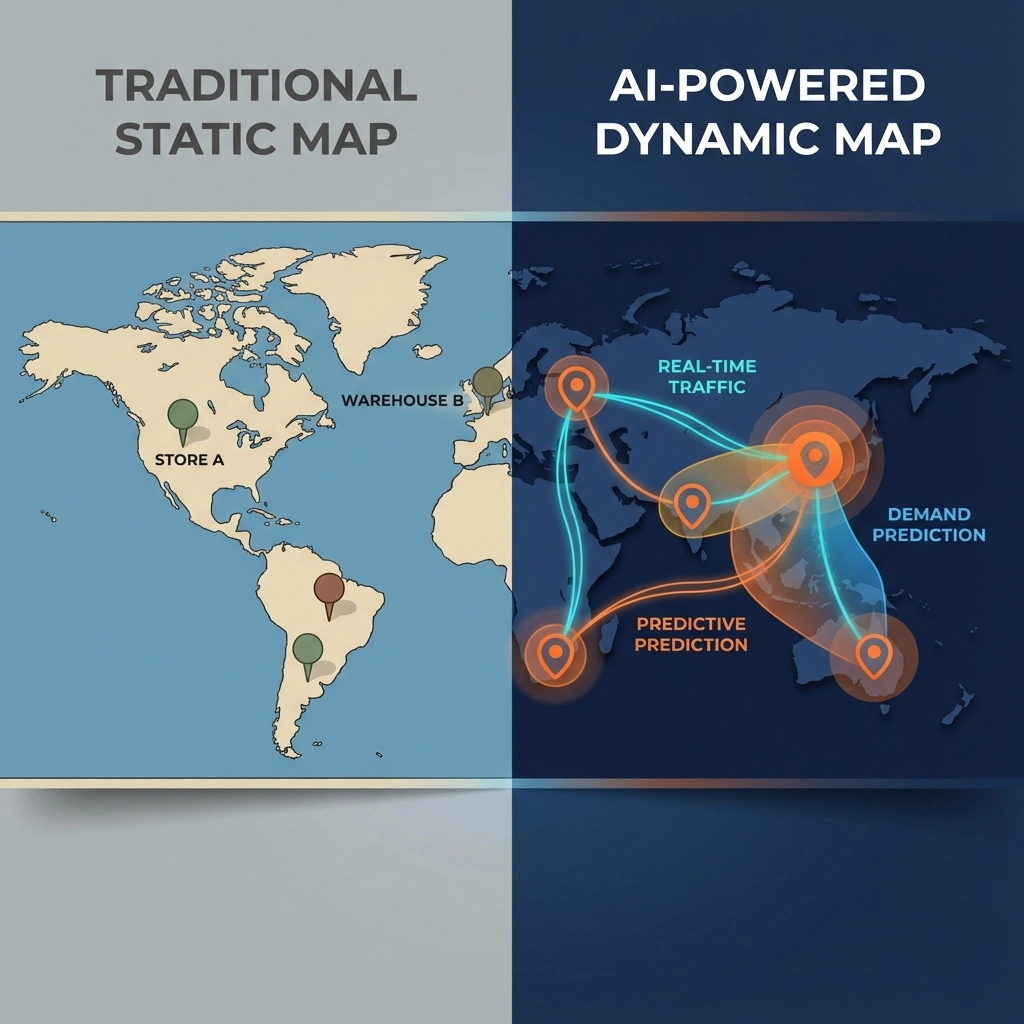
For location-based advertising, this means your campaigns now appear in places your competitors probably haven't even considered. Someone watching YouTube videos about home renovation in Manchester might see your local construction ad. Someone checking Gmail in Liverpool gets served your restaurant's lunch special promotion.
The AI doesn't just show your ads to people in your target location – it shows them to people who exhibit behaviour patterns similar to your best local customers, wherever they might be.
The Local SEO Connection Nobody's Talking About
Here's what most agencies won't tell you: the line between Google Ads and local SEO has completely blurred. Google's AI now considers:
- Your Google Business Profile performance
- Local citation consistency
- Review sentiment and recency
- Website location signals
- Historical local conversion data
Your location-based ads performance is now directly tied to your overall local digital presence. If your business has inconsistent NAP (Name, Address, Phone) information across directories, your ad targeting suffers. If your Google reviews are stale or negative, your AI bidding becomes less competitive.
This integration means Birmingham businesses can no longer treat PPC and local SEO as separate strategies. They're now part of the same AI-driven ecosystem that determines your local market visibility.
What This Means for UK Businesses Right Now
Let's get practical. If you're running location-based advertising in 2025 without leveraging these AI tools, you're hemorrhaging money to competitors who've adapted.
For Service-Based Businesses:
- Your emergency service ads now predict demand spikes based on weather, local events, and historical data
- Scheduling integration means ads can automatically pause when you're fully booked
- AI adjusts messaging based on local competition density
For Retail Businesses:
- Inventory-connected campaigns only show ads for products actually in stock at specific locations
- Foot traffic patterns inform bid adjustments throughout the day
- Local event calendars trigger automated campaign optimizations
For Restaurants and Hospitality:
- Real-time capacity management integrates with ad serving
- Menu items get promoted based on local ingredient availability and seasonal preferences
- Weather conditions trigger automatic campaign adjustments

The Birmingham Business Reality Check
Take Birmingham's business landscape as an example. The city's diverse economic sectors – from the Jewellery Quarter's artisans to the tech companies in the Innovation District – each require completely different location-based advertising approaches.
A traditional PPC campaign might target "Birmingham" broadly. The new AI-driven approach understands that someone searching for "handmade jewellery" in Hockley needs different messaging than someone with the same query in Sutton Coldfield. The AI factors in local demographics, spending patterns, and even foot traffic data to optimize not just when and where ads appear, but how they're presented.
The Tools You Need to Know About
Smart Bidding with Location Extensions:
No longer just about automated bid adjustments. The AI now considers real-time location data, local competition, and even regional economic indicators.
Local Assets Integration:
Your Google Business Profile photos, posts, and updates now directly influence ad performance and AI optimization decisions.
Proximity Targeting Evolution:
Instead of simple radius targeting, AI predicts travel patterns and adjusts reach based on transportation routes and local behaviour.
Common Mistakes That'll Kill Your ROI
1. Treating Mobile and Desktop Locations Identically
AI recognises that mobile searches often indicate immediate local intent, while desktop searches might be research-based. Your bidding strategy should reflect this.
2. Ignoring Micro-Location Patterns
Birmingham city centre has different conversion patterns than the suburbs. AI can detect and optimize for these micro-differences if you let it.
3. Setting and Forgetting Geofencing
Static location boundaries are dead. AI-driven campaigns adjust targeting areas based on performance data and local events.

The Data You're Probably Missing
Most businesses focus on click-through rates and conversion rates. The new AI tools track:
- Location-to-conversion delay patterns: How long after seeing your ad do people visit your location?
- Cross-location behaviour: Do customers see your ads in one area but convert in another?
- Local event correlation: How do nearby events impact your campaign performance?
- Seasonal micro-trends: Which locations show different seasonal patterns?
This data doesn't just improve your current campaigns – it informs your business strategy, helping you understand where to open new locations or adjust service offerings.
What Happens Next?
Google's 2025 AI updates are just the beginning. The platform is already testing predictive local inventory management, real-time competitive intelligence integration, and cross-platform local behavior tracking.
For location-based advertising, this means we're moving toward campaigns that don't just target people near your business – they target people likely to become customers based on complex behavior patterns, local market conditions, and predictive modelling.
The Bottom Line for Your Business
Google AdWords services aren't dead – they've evolved into something more sophisticated than most business owners understand. The businesses thriving with location-based ads in 2025 aren't just using these tools; they're building their entire local marketing strategy around them.
If you're still managing PPC campaigns manually, setting basic location targeting, and treating Google Ads as separate from your local SEO efforts, you're fighting yesterday's battle with tomorrow's competition.
The AI revolution in location-based advertising isn't coming – it's here. The question is whether your business will adapt or watch competitors capture your local market share while you're still figuring out the new rules.
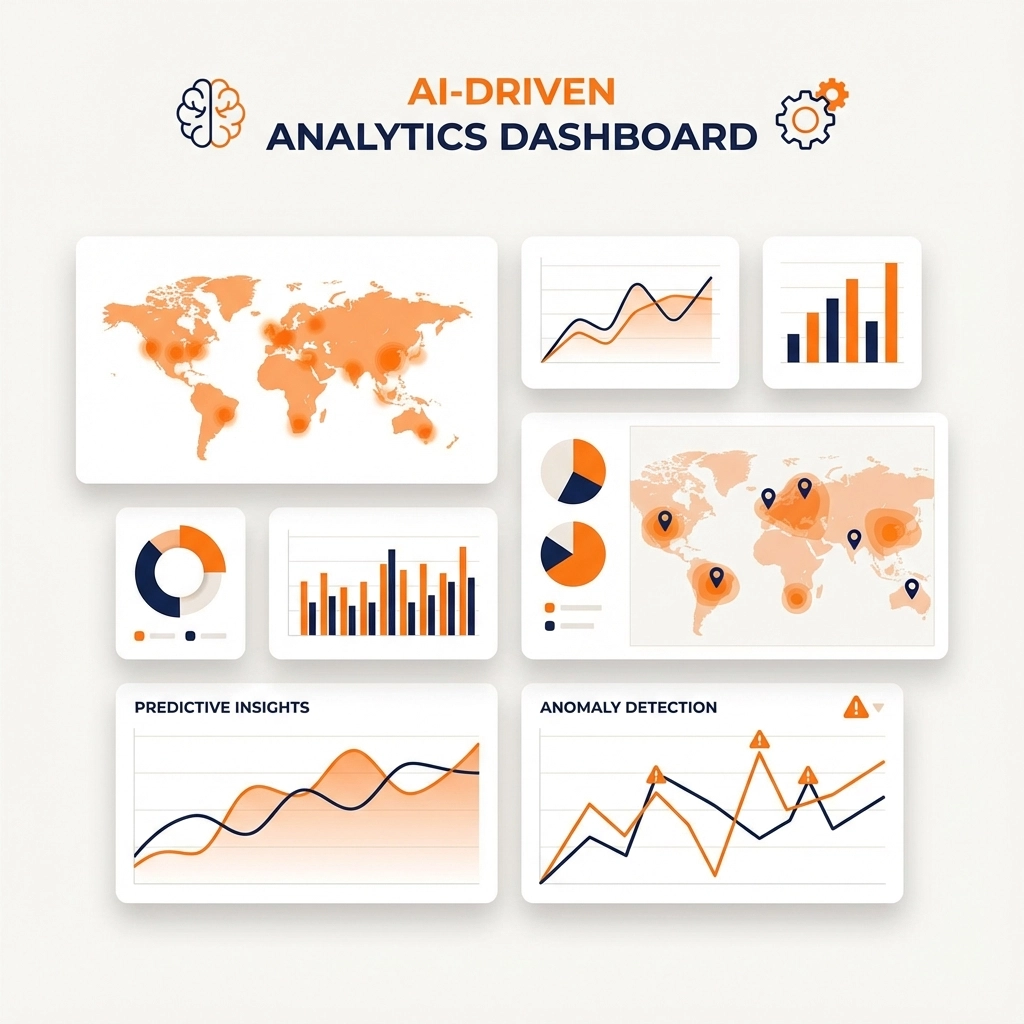
The businesses winning in 2025 understand that location-based advertising isn't about targeting people in a geographic area anymore. It's about targeting people who exhibit the behaviors, preferences, and patterns that predict local business success. That's not just evolution – that's revolution.
And if you're not part of it, you're being left behind.