
Your local SEO strategy is bleeding money, and you probably don't even know it.
While you're busy running your business, competitors are quietly stealing your potential customers by getting the fundamentals right. The harsh reality? Most businesses treat local SEO like a tick-box exercise rather than the revenue-driving machine it actually is.
Here are seven critical mistakes that are costing you visibility, customers, and cash. More importantly, here's exactly how to fix them before your competition catches on.
Mistake #1: Treating Your Google Business Profile Like a Forgotten Stepchild
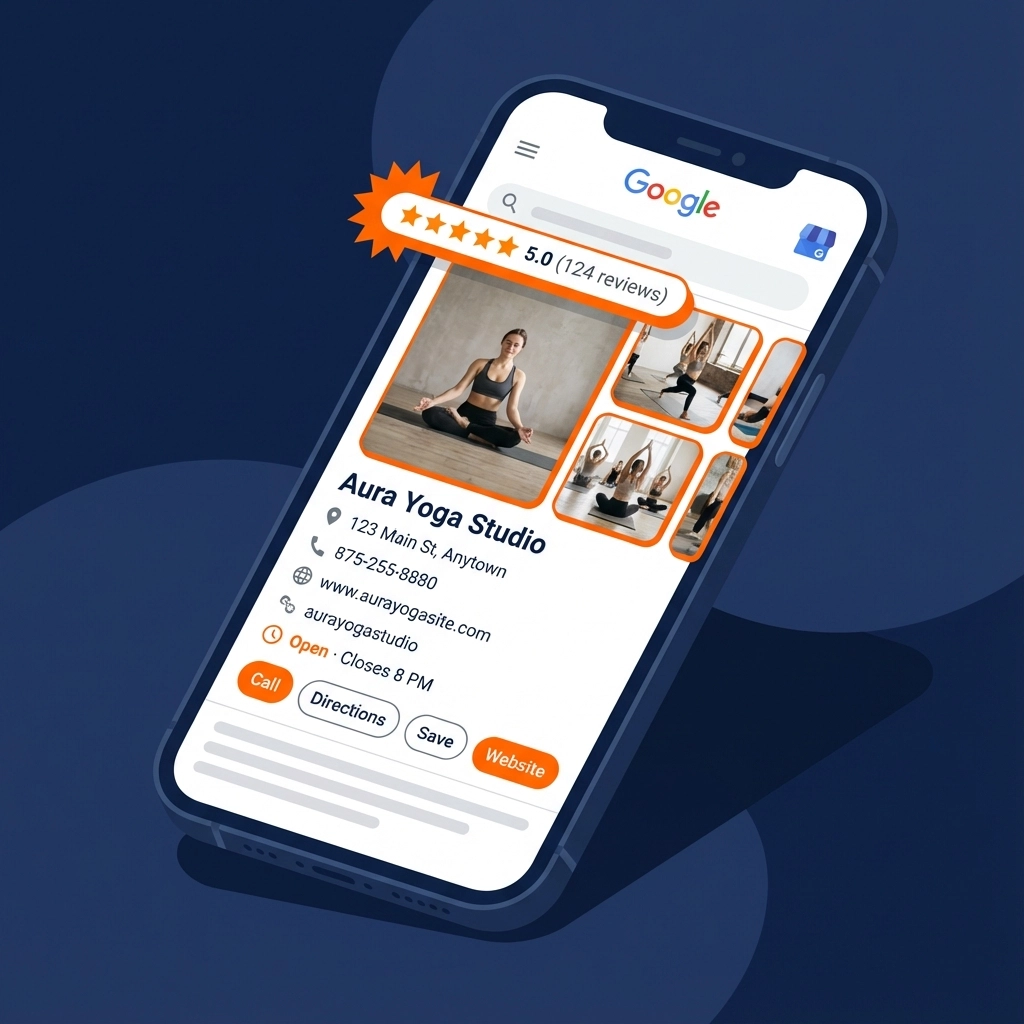
Your Google Business Profile isn't just another listing to claim and forget. It's your digital shopfront, and right now, it's probably looking like a boarded-up mess.
Most businesses either never claim their profile, fill it out once and abandon it, or leave critical sections blank. Even worse, with Google's AI now auto-generating business descriptions based on incomplete data, a neglected profile can actually work against you.
The Fix:
Claim your profile immediately if you haven't already. Then complete every single section with the attention to detail you'd give your physical storefront. Upload high-quality photos that actually represent your business, not blurry smartphone snaps from 2018. Keep your hours updated, respond to reviews, and treat this profile like the 24/7 sales rep it is.
Mistake #2: Playing Fast and Loose with Your Business Details
Your business name, address, and phone number (NAP) need to be identical everywhere online. Not similar. Not close enough. Identical.
If your website says "123 High Street" but your Yelp listing says "123 High St," search engines treat these as different businesses. This confusion tanks your local rankings faster than you can say "pizza near me."
The Fix:
Create a master NAP document with the exact formatting you'll use everywhere. Then audit every single online listing, from your Google Business Profile to that directory you forgot you signed up for three years ago. Make them match, word for word, punctuation mark for punctuation mark.
Mistake #3: Choosing Business Categories Like You're Playing Darts Blindfolded
Google lets you choose one primary category and up to nine additional ones. Most businesses either pick the wrong primary category or leave subcategories empty, essentially telling Google they don't know what they do.
A plumbing company listing itself as "Contractor" instead of "Plumber" will miss every customer searching for specific plumbing services. It's like opening a restaurant and only putting "Food Place" on the sign.
The Fix:
Research your category options thoroughly. Your primary category should be the most accurate description of what you do, not the broadest. Then add every relevant subcategory that applies to your services. Check what successful competitors in your area are using, but don't just copy them blindly.
Mistake #4: Creating Generic Service Pages That Help Nobody
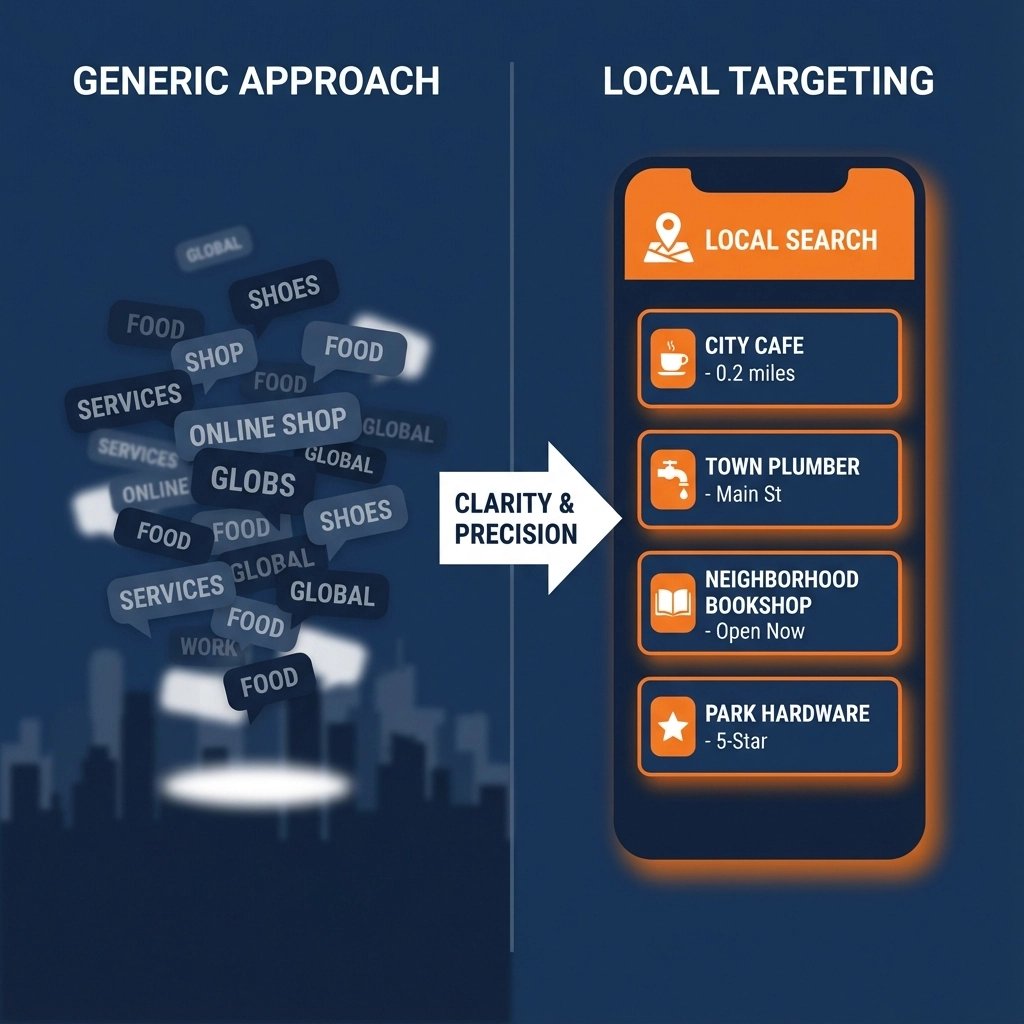
A single "Services" page won't cut it in local search. When someone searches "emergency plumber Manchester," Google doesn't want to show them a generic services page that mentions plumbing somewhere in paragraph three.
Local searches are specific, and your content needs to match that specificity. Generic pages are SEO dead weight.
The Fix:
Create dedicated pages for each service you offer, and build location-specific pages for every area you serve. A page titled "Emergency Plumbing Services in Manchester" will always outrank a generic services page for local searches.
Make each page genuinely useful with local pricing information, service area maps, and content that shows you actually operate in that area.
Mistake #5: Targeting Keywords Like It's Still 2005
Trying to rank for "lawyer" or "plumber" is like trying to shout over a crowd of millions. Without location specificity, you're invisible to the customers who matter: the ones near you with money to spend.
Generic keywords might make you feel important, but they won't pay your bills.
The Fix:
Target location-specific keywords that your customers actually use. Instead of "restaurant," target "best Italian restaurant in Birmingham" or "family restaurant near Bullring." These longer, specific phrases have less competition and higher conversion rates because they capture people ready to visit.
Use local landmarks, neighbourhood names, and nearby areas in your content naturally. Don't stuff keywords like you're filling a Christmas turkey, but make it clear where you operate.
Mistake #6: Building Websites That Hate Mobile Phones
Over 60% of local searches happen on mobile devices, yet many business websites still look like they were designed for desktop computers the size of refrigerators.
Tiny text, unclickable buttons, and layouts that require horizontal scrolling send a clear message to Google: this business doesn't understand their customers.
The Fix:
Test your website on your phone right now. Can you easily tap the phone number to call? Are your contact details visible without zooming? Does the site load quickly on mobile data?
If your website fails the smartphone test, fix it immediately. This isn't just about rankings; it's about the money you lose every time a potential customer gives up and calls your competitor instead.

Mistake #7: Copy-Pasting Your Way to SEO Hell
Creating multiple location pages by copying and pasting the same content with different city names isn't clever; it's lazy. Google recognises duplicate content instantly and penalises it accordingly.
Worse, customers can tell when you're phoning it in. Generic location pages that obviously know nothing about the local area destroy trust before it's even built.
The Fix:
Make every location page genuinely unique. Include local landmarks, mention specific neighbourhood characteristics, add customer testimonials from that area, and discuss local conditions that affect your services.
If you're a landscaping company, talk about soil conditions specific to that area. If you're a pest control service, mention local pest problems. Show that you actually know and serve that community.
The Bottom Line: Local SEO Isn't Set-and-Forget
These seven mistakes are all fixable, and most of your competitors are making at least three of them right now. That's your opportunity.
Start with your Google Business Profile and NAP consistency across all platforms. These two fixes alone will improve your local visibility more than any expensive SEO tool or service.
The businesses dominating local search results aren't necessarily better at what they do. They just understand that local SEO is an ongoing process, not a one-time project. Every day you delay fixing these issues is another day of lost customers and revenue.
Your competitors won't wait for you to catch up. The question is: will you fix these mistakes before they fix theirs?


